Case Study. Ecommerce. Drop mechanics.
LENSE Drop 004 turned cost transparency into the product story.
I helped Daniel Dalen launch a made-in-China eyewear drop by building the live Shopify systems, bundle logic, revenue counters, copy, and design exploration behind the page.
Why it mattered
The eyewear market is full of premium stories. Most of them hide the cost structure.
Drop 004 did the opposite. It made the margin, materials, fees, and supply chain part of the product. That created a stronger story than a normal discount ever could.
The situation
Daniel wanted to test the made-in-China concept with LENSE. The idea was to show that premium frames could be produced in the same kind of factories as expensive brands, then sold with the cost structure exposed.
That meant the page could not be a normal Shopify product page. It needed to feel like a live proof system.
The conflict
The risk was trust. A low price can make people suspicious. The question becomes: what did you remove?
The answer was the campaign: remove brand markup, wholesale, distribution, marketing, and retail. Keep the product.
What I did
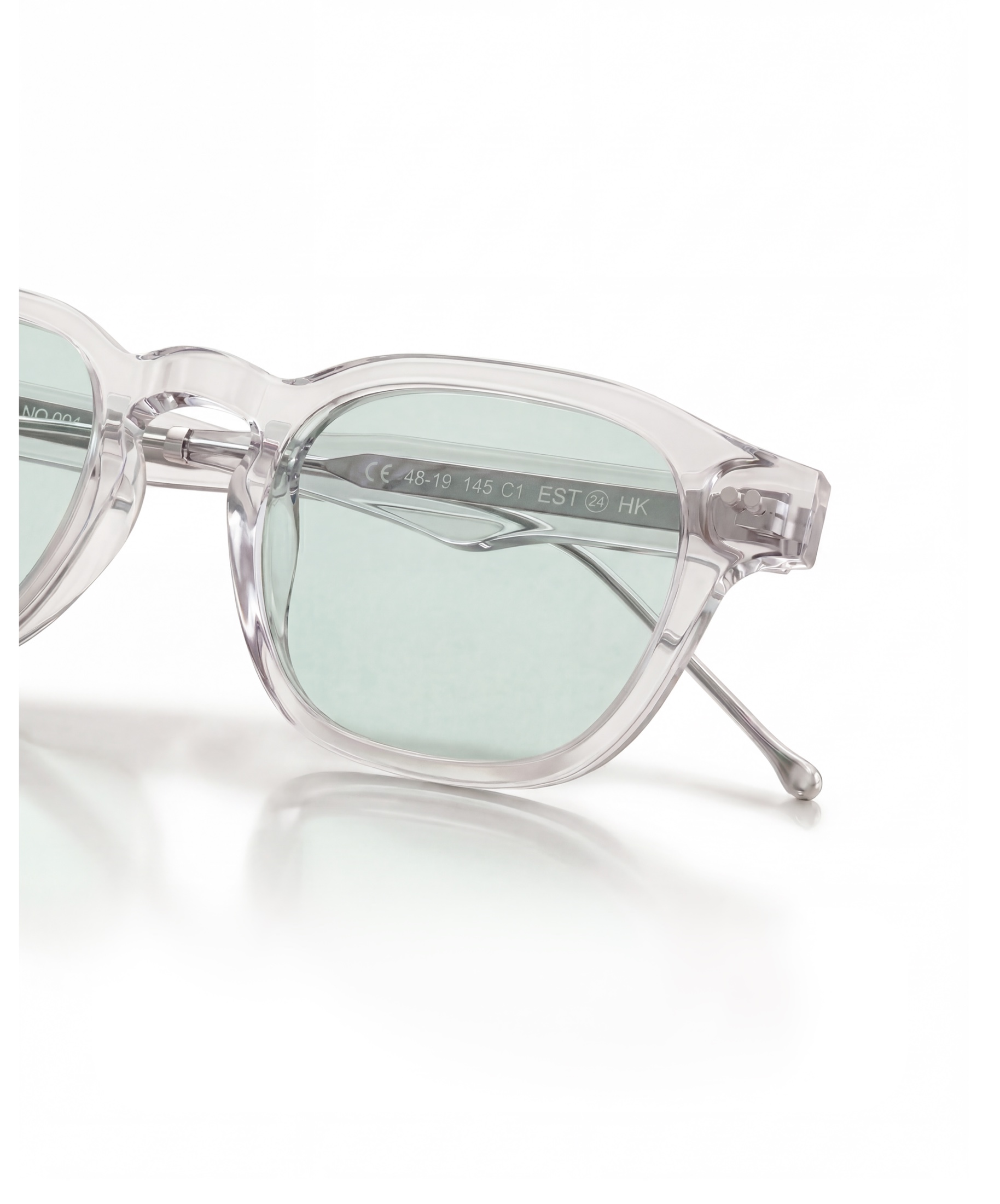
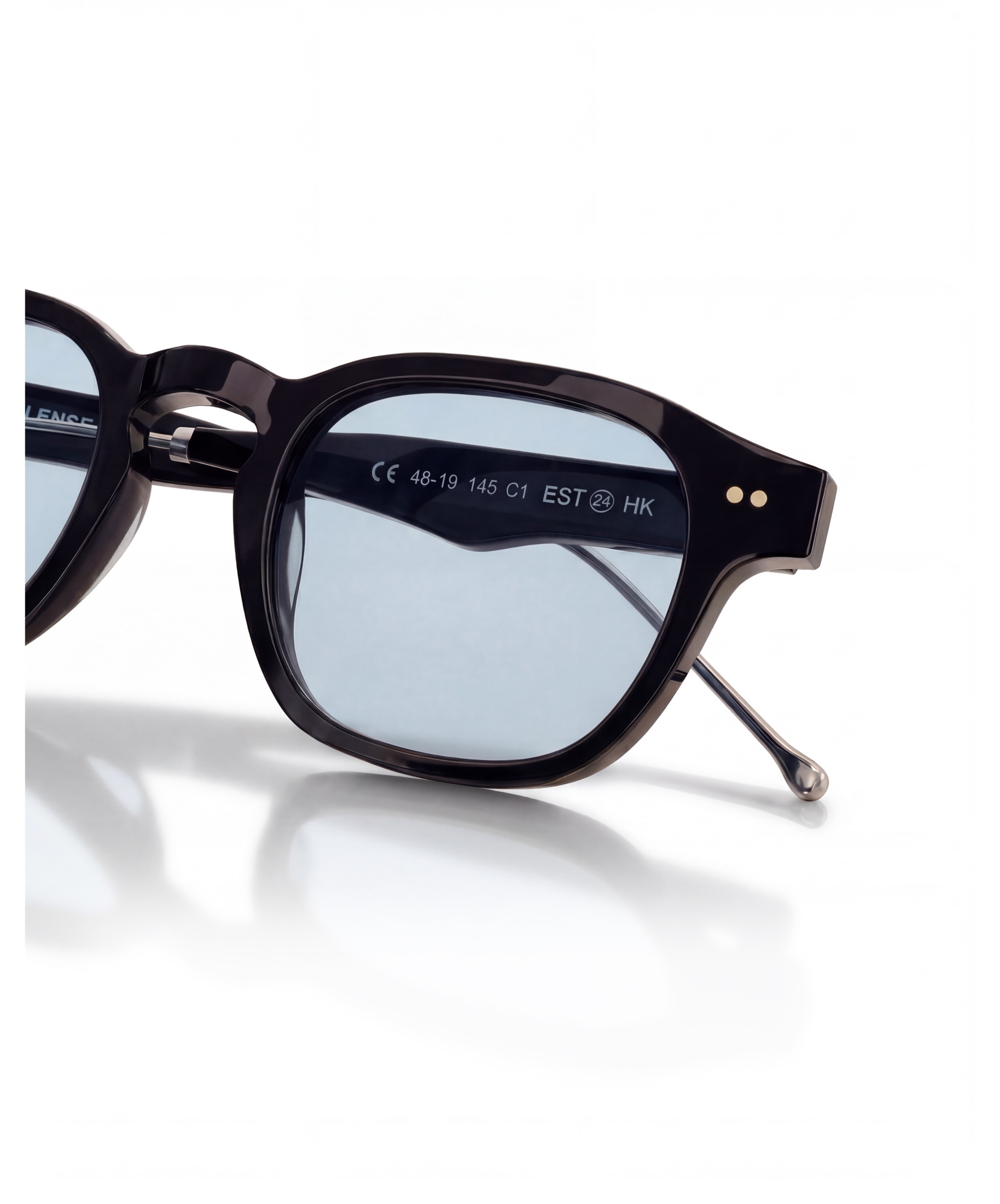
I built custom Shopify integrations for the live revenue counter, units sold, bundle behavior, inventory rules, dynamic bundle buttons, and the image system that swapped every landing page image based on the selected glasses variant.
I also did most of the copy work and design exploration. The page had to make the math visible without feeling like a spreadsheet. The live counters made the drop feel real. The variant image system made each frame feel specific. The cost breakdown made the offer feel honest.
Resolution
The drop generated 100k.
The lesson: transparency can be a conversion mechanism when the product story is strong enough to carry it.
What this proves
- A drop page can be a live argument, not just a product grid.
- Showing the margin works when the math supports the story.
- Custom ecommerce mechanics can create trust when they expose what is really happening and make each variant feel real.